
If you worked in Norway and paid taxes, you may be entitled to a tax refund after the end of the tax year or when returning home. This guide explains deadlines, required documents and the key steps you should know. Who can claim a tax refund from Norway? You can claim a tax refund if you legally worked in Norway and paid income tax there. Norway has double taxation agreements with many countries, which means part of your paid tax may be refunded if you meet the legal requirements. Deadlines: how long can you claim a tax refund? In Norway, you can usually claim a tax refund for up to 4 previous tax years. Once the statutory deadline expires, it is normally no longer possible to recover overpaid tax. That is why it is recommended to apply as soon as possible. How much money can you get back? The refundable amount depends on your personal situation: income received, taxes paid, tax allowances, dependants, and the length of your employment. To get a quick estimate of your potential refund, use our tax refund calculator. Tax refund from Norway: 3 main steps 1) Collect required documents Prepare the following documents: D number or ID number (National Identity Number); Skattemelding (Tax return form); Skatteoppgjør (Tax assessment); Skattekvittering (Receipt for PAYE); Årsoppgave forms or your last payslips from all employers (if available); Copy of your passport or national ID card. 2) Prepare document copies Make clear copies of all documents. These must be attached to your application. Clear and complete copies help speed up the processing time. 3) Complete and submit your tax return You can submit your tax return yourself through the Norwegian Tax Administration website skatteetaten.no or use professional assistance. Filing on your own requires accurate data and all supporting documents. Using specialists can save time as they prepare and submit everything on your behalf. How long does it take to receive the refund? Processing times depend on the workload of the authorities and the quality of your submitted documents. Properly prepared applications are usually processed faster. If you have any questions, it is recommended to consult specialists. Common mistakes and how to avoid them Missing deadlines. Make sure your claim is still within the allowed time period. Missing documents. If you do not have the Årsoppgave form, provide payslips or other proof of income. Incorrect information. Errors in your tax return can delay processing, so always double-check your personal and financial details. Unused tax allowances. Check whether you are entitled to deductions such as work-related expenses or dependants. When should you use professional help? If you are missing documents, worked for several employers, or simply want to save time and avoid mistakes, it is worth using professional tax refund services. This reduces the risk of additional requests and speeds up the process. What should you do next? The next step is to complete the registration form. This allows you to start the tax refund process, and our team will take care of everything – from document submission to receiving your final payment. Learn more about tax refunds from Norway . You can find answers to frequently asked questions at the bottom of the same page – view the FAQ section .
Read More
Do you work or did you previously work in Germany and have children? You may be entitled to financial support called Kindergeld. This is one of the most important family benefits in Germany, designed to support families and help provide stable conditions for raising children. What is Kindergeld? Kindergeld is a child benefit paid to parents who work or have worked in Germany and are raising children who live in the European Union. The benefit can be paid until the child turns 25 years old if they are in full-time education and not employed. Who can receive Kindergeld? You can apply for child benefit if you are: Parents with children up to 25 years old who are in education; A single parent with whom the child lives (if parents are divorced, unmarried, or widowed); A legal guardian or the person with whom the child lives, if the child does not live with their biological parents. You can also apply if your child lives in another EU country, as long as at least one parent works or has worked in Germany. How much is the Kindergeld payment? Since 2023, the system has been simplified and the benefit amount is the same for each child, regardless of the number of children. Current amount: €250 per month for each child. If you already receive child benefit in another EU country, the German Family Benefits Office (Familienkasse) will usually pay only the difference between the German benefit and the amount paid in your country. Important rules The benefit is paid until the child reaches the age of 25 if they are studying and not working. You can usually apply retroactively for the current and previous 6 months. If you stop working in Germany, you must inform the Familienkasse immediately. If you no longer work in Germany, you are generally no longer entitled to the benefit. If you continue receiving payments after you are no longer eligible, you may be required to repay any overpaid amounts. What should you do next? The next step is to complete the registration form . This allows you to start the Kindergeld claim process, and our team will handle everything – from document preparation to receiving your payment. Find more information here .
Read More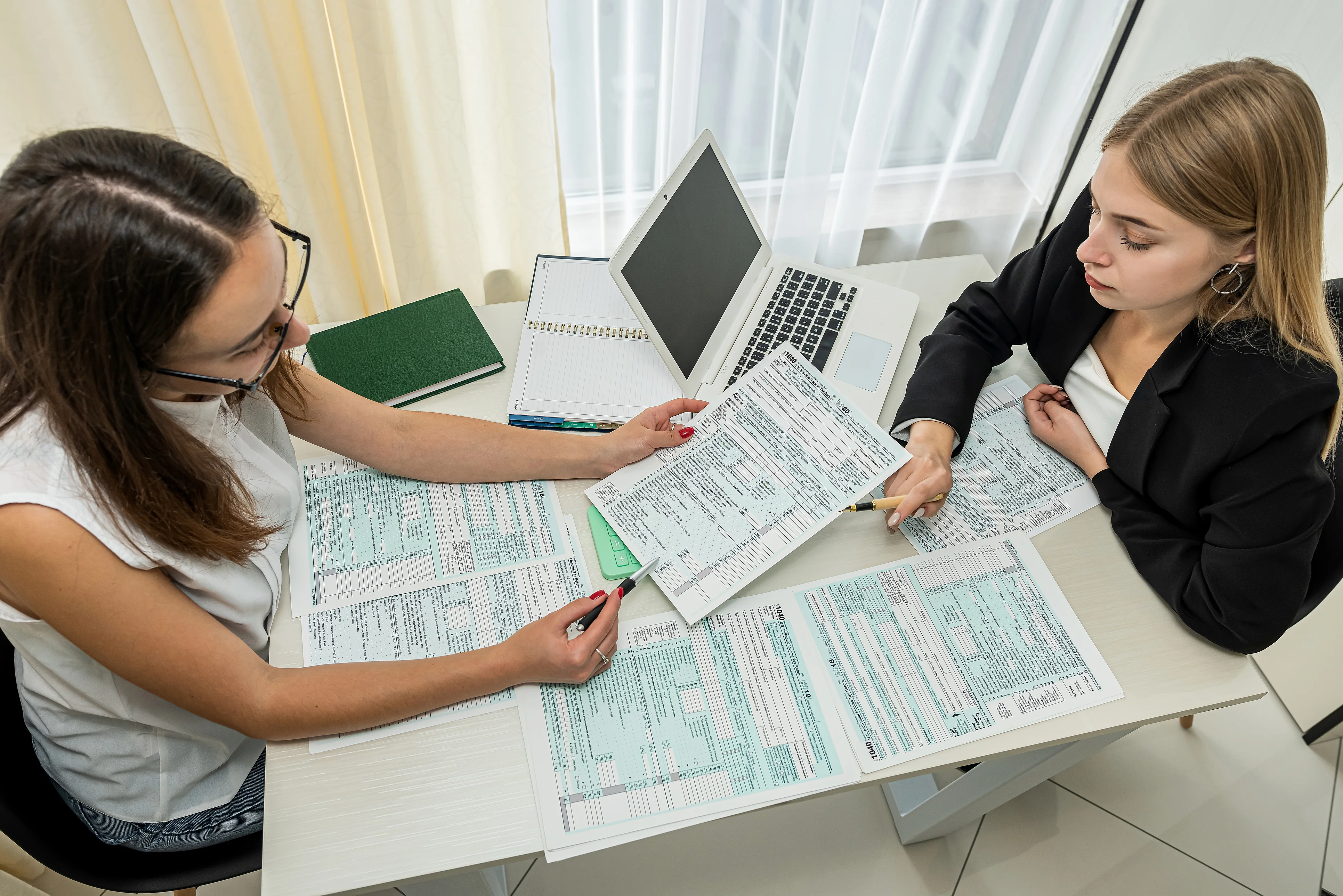
At the beginning of the year, many people start filing their income tax returns. But what should you do if you worked abroad for all or part of the year? It’s important to know that tax declaration and tax refund for work abroad usually involve two directions: declaring income in the country where you worked and declaring your worldwide income in your home country. This helps avoid penalties and gives you the opportunity to recover any overpaid income tax. Why do you need to declare taxes in two countries? Most countries have signed double taxation treaties with each other. These agreements ensure that the same income is not taxed twice and allow you to claim a tax refund if you have overpaid. When you work abroad, it is usually recommended to declare your income in the country where you worked according to local rules and deadlines, and also declare your worldwide income in your country of residence. Where and when should you submit tax returns? In the foreign country: File your tax return according to the rules and deadlines of that country’s tax authority. In your home country: Declare your worldwide income in the national tax system. In some cases, you may need certificates confirming foreign income and taxes paid. Some tax authorities may also require a certificate of income earned in your home country. The requirements vary by country, so it is recommended to check the rules in advance. How many years back can you claim a tax refund? The tax refund period depends on the laws of each country and is usually 4–5 previous tax years. Once the limitation period expires, it is normally no longer possible to recover overpaid taxes, so it is best not to delay. What documents should you have? In most cases, you will need employer-issued documents showing your income and taxes paid, such as annual summaries and payslips. Some countries use specific official forms. If you are missing certain documents, you can often obtain information by contacting your employer or the foreign tax authority. Will you have tax obligations in your home country after getting a refund? If income tax was paid correctly in the foreign country and a double taxation treaty applies, there are usually no additional tax obligations in your home country. However, each case is individual, so it is recommended to consult specialists if you are unsure. What is important to remember? If you worked abroad, claiming a tax refund can be a great opportunity to get back the money you are entitled to. The most important things are to respect deadlines, collect the necessary documents and carefully submit accurate information in your tax returns. Since rules differ between countries, it is always best to check the requirements in advance or seek help from tax refund specialists. How to get started? The next step is to complete the registration form . This will allow you to start the tax refund for work abroad process, and our team will take care of everything – from preparing documents to submitting your tax returns.
Read More
Every year, a large number of people who worked abroad miss out on the opportunity to legally recover millions in overpaid income tax. The most common reasons are a lack of information and widespread myths that prevent people from claiming the money they are entitled to. Millions are lost every year Despite years of labor migration, many people who worked overseas are still unaware of the possibility of claiming a tax refund from abroad. As a result, millions in potential refunds remain unclaimed every year — money that could legally be returned to workers. How does claiming a tax refund from abroad work? The process is simple: while working abroad, income tax is deducted from your salary. After the end of the tax year (or when you stop working and leave the country), you submit a tax return to that country’s tax authority. The authority reviews your information and calculates whether you overpaid tax. If an overpayment is identified, the excess amount is refunded to you. In many cases, you may also need to follow the tax rules of your home country to avoid double taxation. Many people don’t know they can claim Many people do not claim their tax refunds because they don’t know how many years back they can apply, what documents are required, or they assume the process is too complicated. When you understand the deadlines and country-specific requirements in advance, the process becomes much easier. Fear of losses: myths vs reality Some people avoid claiming tax refunds because of myths such as: it will reduce your pension, affect your social benefits, or prevent you from working abroad again. This is not true. Tax refunds are simply part of the tax return process and relate only to income tax. Social security contributions remain separate and are not affected. Time limits for claiming tax refunds The deadline depends on the country, but it is usually 4–5 previous tax years. If you miss the deadline, the overpayment can no longer be refunded. That is why it’s important to check whether your case still falls within the allowed time period. What should you prepare? In most cases, you will need documents from your employer such as annual income summaries and payslips showing your income and taxes paid. If some documents are missing, the information can often be retrieved from your former employer or the relevant tax authority. Where do people make mistakes? Missing deadlines. Always check that your claim is still within the legal time limit. Missing documents. If you don’t have annual summaries, provide payslips or other proof of income. Incorrect information. Mistakes can delay processing, so always double-check your figures and personal details. Unused allowances. Check whether you are eligible for deductions such as work-related expenses or dependants. What is important to remember? Claiming a tax refund from abroad is a legal way to recover overpaid money. To avoid losing your refund, make sure you respect the deadlines, prepare your documents carefully, and submit accurate information. As rules differ by country, it is always recommended to check official requirements or consult with specialists.
Read More
Germany has been one of the most popular destinations for people working abroad for many years. Attractive working conditions and high salaries draw thousands of workers each year. However, many people still do not know they may be able to claim a refund of overpaid income tax, which in some cases can reach thousands of euros. Why should you claim overpaid taxes? Income tax rates in Germany are among the higher ones in Europe, which is why tax overpayments often occur. When you start a new job, your employer may not have full information about your annual income and will often deduct more tax than necessary. This overpaid tax is your money and can be legally refunded. You can usually claim overpaid taxes for the last 4 years. If you have not yet filed tax returns for previous years, you may still have time – it is important not to miss the deadline. How much can you get back? The amount of tax you can recover depends on several factors, including your income level, length of employment, tax allowances and personal circumstances. In some cases, if your income was below the tax-free threshold, you may be able to recover the full amount of tax paid. Many applicants successfully recover significant amounts, and in some real cases refunds can reach very high sums. Common mistakes that prevent tax refunds Missing the refund deadline – refunds are usually only available for the last 4 years. Incomplete or incorrect documents – missing certificates or forms may delay or block your claim. Errors in the tax return – mistakes can extend processing times or cause additional questions from tax authorities. Why is it worth getting professional help? Although it is possible to file a tax return yourself, many people find it challenging due to document collection and communication with German tax authorities. Using professional help can help you avoid mistakes, speed up the process and maximise your refund. How to start the process? If you have worked or are still working in Germany, don’t miss the opportunity to recover what is rightfully yours. The process is simple – just complete the registration form , and we will take care of everything from document preparation to tax return submission. Find more information here: Tax refund from Germany .
Read More
Tax refunds are not only for full-time workers. Students who worked short-term jobs, summer jobs, internships, or fixed-term contracts may also be entitled to a tax refund. The key requirement is that income tax was paid and can be proven with documents. How the process works (4 simple steps) Collect your documents. Gather employer certificates showing income and taxes paid, payslips or annual summaries. Prepare your tax return. Complete the return according to the rules of the country where you worked. If you had multiple employers, include documents from all of them. Submit your tax return. In many cases, this can be done online by uploading digital copies of your documents. Wait for the decision and payment. Processing time depends on the country and how complete your file is. Well-prepared documents usually lead to faster results. What documents should you prepare? Employer certificate confirming income and taxes paid (or annual summary). Payslips if the annual summary is missing. Copy of your identity document. Bank account details for receiving the payment (if required). Missing some documents? In many cases, they can be recovered by contacting your employer or the relevant tax authority. Refund amounts and deadlines: what students should know The refund amount depends on how much you earned, how much tax you paid, and whether any allowances apply (for example, study-related or work-related expenses). To get a quick estimate, use our tax refund calculator . Deadlines depend on the country and the completeness of your documents — the better prepared your file, the faster the decision. Common mistakes (and how to avoid them) Missing deadlines. Each country has its own time limits, so check that your claim is still valid. Missing documents. If you do not have an annual summary, attach payslips or other proof of income. Incomplete or incorrect information. Double-check your figures, personal details and work periods to avoid delays. Unused allowances. Check whether you are entitled to tax reliefs or deductions. Why is it worth getting professional help? Professionals can help you collect missing documents faster, complete your tax return correctly, and communicate with tax authorities. This is especially helpful if you worked in several jobs or do not have all the required forms. Ready to get started? The easiest way is to register online: complete the registration form and we will help you through every step — from collecting documents to submitting your tax return. If you want to estimate your refund first, use our tax refund calculator . Note: This information is general in nature. Rules and deadlines vary by country. Always check the latest requirements or consult with a specialist before submitting your documents.
Read MoreSubscribe to receive key reminders and updates on tax refunds


 info@rttax.com
  +370-37-755211
  en
en
 lt
lt  ru
ru  bg
bg  lv
lv  ro
ro  ua
ua  pl
pl  de
de  tr
tr  md
md  es
es  zh
zh  hu
hu  th
th 