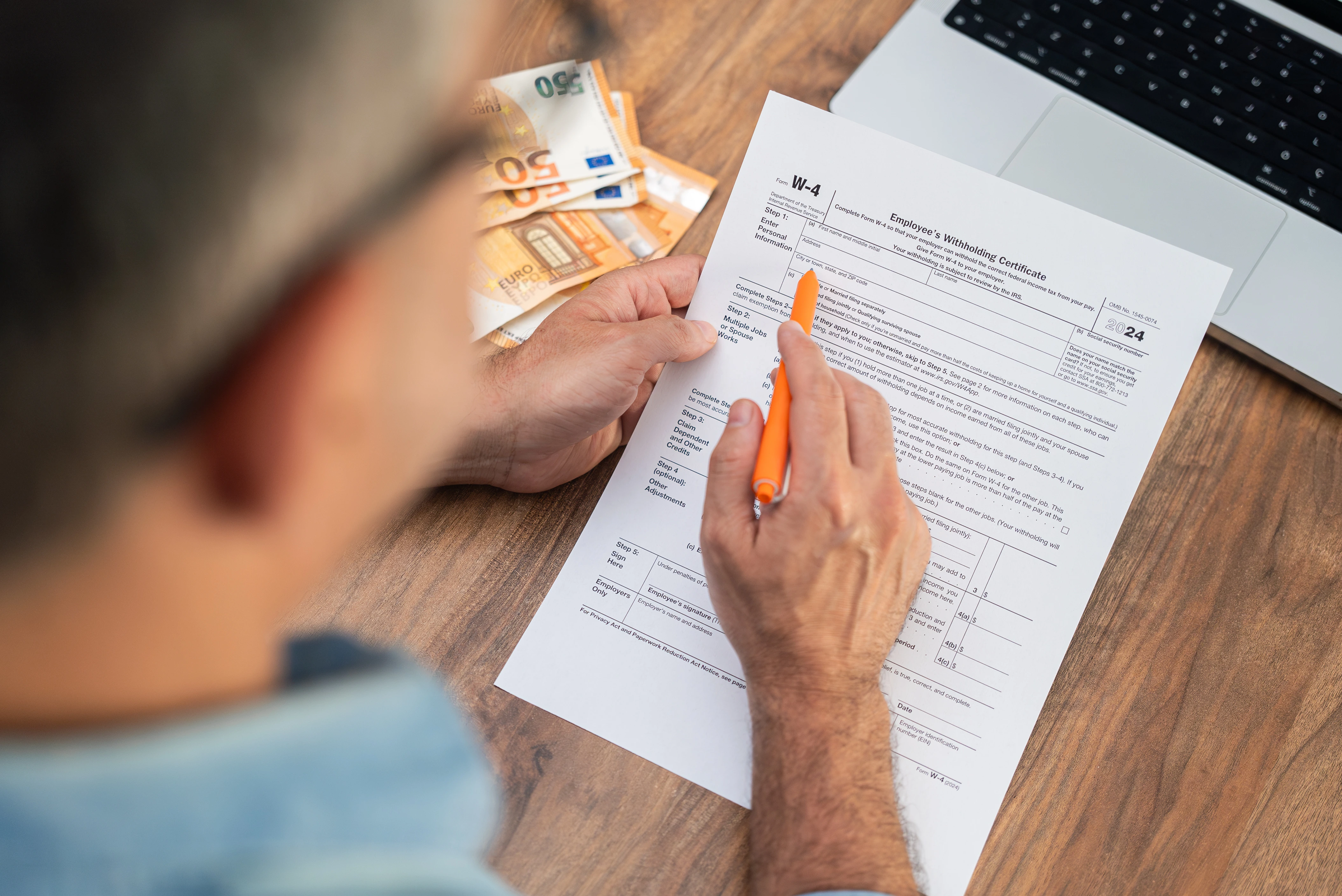
In recent years, many people working abroad have faced growing financial challenges — rising living costs, unstable jobs and uncertainty about the future. In such situations, it is important to look for legal ways to strengthen your financial security. One of the most effective options is to claim back overpaid income taxes from abroad. Extra income without extra work When you work abroad, taxes are usually deducted from your salary automatically. In many cases, part of this tax is overpaid. This overpayment can be legally refunded, which means that part of the money you earned can be transferred back directly to your bank account. On average, many workers receive refunds of around €800–€1,000, but in some cases the amount can be significantly higher. It is important to know that in many countries you can claim a tax refund for the last 4–5 years. So even if you worked abroad a few years ago, it may still be possible to submit your claim and get your money back. Millions left unclaimed every year Although the tax refund process is simple and completely legal, many people still do not use it. A large percentage of people who worked abroad never claim their refund, which means that millions remain in foreign tax offices every year instead of returning to the workers who earned that money. The most common reasons are lack of information, unclear requirements and lack of time. However, all of these problems can be solved by working with tax refund specialists. How does it work? The tax refund process usually follows a few simple steps: Collect the required documents from your employer or tax authorities. Complete your tax return according to the country’s rules. Submit your tax return to the foreign tax office. After review, the overpaid amount is transferred to your bank account. The process usually takes between 3 and 6 months, depending on the country and the accuracy of your documents. Why should you do it now? Every extra euro matters, especially during uncertain economic times. By claiming back overpaid taxes, you can increase your savings, cover important expenses or simply improve your financial stability. It is a safe, legal and straightforward way to benefit from money that already belongs to you. Don’t leave your money abroad Submit your application using the registration form and claim your overpaid taxes. To learn more about the tax refund process, visit our homepage .
Read More
More and more people choose to claim tax refunds online because it is a convenient, fast and secure way to recover overpaid income tax from abroad, no matter where you live. Most steps can be completed remotely and the process can be started in just a few minutes – without leaving your home. How does online tax refund work? The process is clear and simple. It usually includes these basic steps: Registration. Complete a simple online registration form and provide your personal and work-related details. Submit your documents. Upload the documents you have – usually employer certificates, payslips and a copy of your ID. For each country, you can find a list of required documents. Preparation of your claim. Once we receive your documents, we prepare your tax return and submit it to the relevant tax authority. Receive your money. After the tax office makes the payment, the refunded amount is transferred directly to your chosen bank account.<
Read More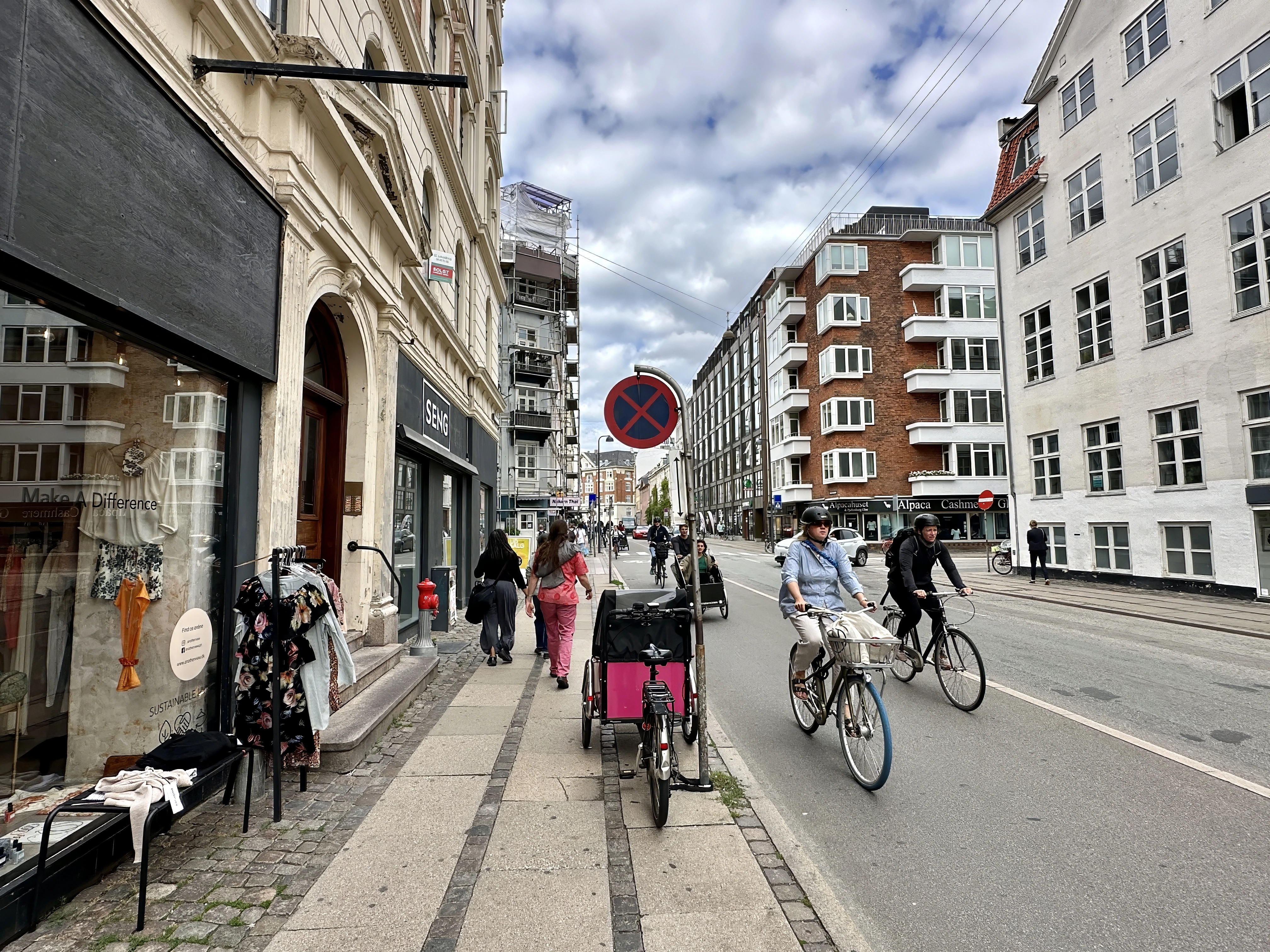
Denmark is one of the most popular destinations for people working abroad. Due to its advanced tax system, workers often end up overpaying income tax, which can be legally reclaimed. However, many people are unsure where to start or which documents are required. This guide is for anyone who worked and paid income tax in Denmark, including people who have already left the country. It explains how to reclaim overpaid Danish income tax, so you can see whether you owe money and how to get it back. Below we cover who can claim, how the Danish tax system works, the documents you need, the deductions that raise a refund, the claim deadlines, timing and how to apply. If you would rather not deal with SKAT yourself, RT TAX can manage the whole process and claim a tax refund from Denmark on your behalf. Who can claim a tax refund from Denmark? Almost anyone who worked and paid income tax in Denmark may be due a refund. The people who most often qualify are those who worked only part of the year, cross-border commuters (grænsegængere) who live in one country and work in Denmark, students, seasonal workers, and anyone who left Denmark before the year ended. Overpayments happen for a few common reasons. Your full personal allowance may not have been applied across a short work period, so tax was taken as if you earned a full year’s salary. Your preliminary tax may have been set too high for your actual situation. Or deductions you were entitled to were simply never claimed. Each of these leaves money sitting with SKAT until you claim it back. If any of this sounds like your situation, you can claim a tax refund from Denmark once your year is reviewed. What is the Årsopgørelse form? Every year, usually in March, the Danish Tax Agency (SKAT) issues an annual tax assessment called Årsopgørelse. This document shows how much you earned, how much tax you paid and whether you are entitled to a refund. After receiving this document, it is important to check whether your employer provided correct information and whether all tax allowances have been applied. Once you receive your Årsopgørelse, you can contact RTTAX. Our specialists can help you access the SKAT system, review your tax situation, estimate your potential refund, and advise you on the next steps. It helps to know the difference between the two documents. The Forskudsopgørelse is the preliminary income assessment, generated around November, that sets your provisional tax and monthly withholding for the year ahead. The Årsopgørelse is the final assessment, issued the following March, that reconciles what you actually earned against what you paid. If the final figures show you paid too much, submitting or correcting a tax return from Denmark is how that overpayment is recovered. The Danish tax system explained Understanding how Danish tax is built up makes it clear where overpayments come from. Tax is taken in layers: Labor market contribution (AM-bidrag): a flat contribution of around 8%, taken off your gross salary first, before other taxes are calculated. Income tax: what remains is subject to state tax (charged at lower and higher brackets on higher incomes) plus municipal tax, which averages around 25% but varies by municipality. Personal allowance (personfradrag): everyone gets a tax-free personal allowance that is deducted before income tax applies. If you worked only part of the year, this allowance may not have been fully used, which is a frequent source of refunds. During the year, your provisional tax is set by the Forskudsopgørelse. At year-end, the Årsopgørelse reconciles it against your real income and tax. Danish rates, brackets and allowances are adjusted every year, so the exact figures depend on the tax year in question, but the structure stays the same, and the gap between provisional and final tax is where a refund usually appears. How does the process work? Once the service is confirmed, our team checks whether you have any unpaid tax refunds, unused holiday pay, and whether you have an active NemKonto account, which is required to receive payments. Based on the analysis, we may recommend the most suitable services, such as tax return correction, holiday pay claim, or NemKonto account setup. This helps ensure that your payments are received safely and as quickly as possible. In practice, the process runs in a few clear steps: Register online and select Denmark as the country you are claiming from. Share your documents (Årsopgørelse, employer certificate or payslips, ID, and any travel documents). RT TAX reviews your tax return from Denmark and identifies every deduction you qualify for. RT TAX files or corrects the assessment with SKAT on your behalf. You receive the refund, paid to your NemKonto or, if you have left Denmark, by another agreed route. Which documents are required? Årsopgørelse form (annual tax assessment issued in March): your final statement from SKAT showing income, tax paid and any refund due; it is the basis of the claim. Oplysningsseddel (employer’s tax certificate) or your latest payslips (Lønseddel): proof of what you earned and the tax withheld, used to check and correct the assessment. Copy of your passport or national ID card: to confirm your identity to SKAT. Travel tickets or travel documents: these support the transport and board-and-lodging deductions, which can help increase your refund. If some of these are missing, it is rarely a dead end: RT TAX can help you retrieve documents you no longer have, so a lost form does not stop your claim. Tax deductions you can claim Deductions are the main lever on the size of a Danish refund, and they are the biggest reason one person gets more back than another. Some are applied automatically, but many have to be actively claimed, and unclaimed ones can still be recovered by reopening past assessments. The ones that matter most for foreign workers: Transport/commuting deduction (befordringsfradrag): available when your daily journey to and from work is more than 24 km in total, calculated per kilometer traveled. Board and lodging/travel deduction (kost og logi): if you worked temporarily away from your home and covered your own meals and accommodation, you can deduct these costs up to an annual limit set by SKAT. Double household deduction: if you kept a home in your own country while working in Denmark, the extra cost of running two households may be deductible. Cross-border 75% rule: if at least 75% of your total income comes from Denmark, you can be taxed under the cross-border worker rules and claim the personal allowance and family-related allowances in the same way as a resident, even with limited tax liability. Exact rates and limits change each year, so it is worth checking every deduction against your own case. RT TAX reviews which ones apply to you and claims them, so nothing you are owed is left behind. How much can you get back from Denmark? There is no fixed refund figure and no single average. The size of your tax refund from Denmark depends on how much you earned, how long you worked, how much tax you paid, which deductions you can claim and whether your full personal allowance was applied. Two people with the same salary can receive very different refunds once their deductions are taken into account. The final amount is always decided by SKAT when it reassesses your year, but a quick online estimate helps set expectations before you file. You can estimate your Denmark tax refund on our Denmark page to get a rough idea of what you could be owed. Claiming holiday pay from Denmark If you have left Denmark but still have unused holiday pay, you may be able to claim it. In many cases, this can be done for up to the last three years. Information about unused holiday pay is usually sent by FerieKonto around March. The letter includes the amount of accumulated funds, number of holiday days and the employers who made the contributions. RTTAX can help you arrange the transfer of these payments, even if you cannot access the system yourself or do not have all documents. It is worth knowing that holiday pay is separate from your income tax refund: you can claim both, and they are handled and paid out independently. Your income tax refund comes from SKAT after your assessment is reviewed, while holiday pay is released from FerieKonto. A single application to RT TAX can pursue both Denmark tax refund and holiday pay claims at the same time. For which years can you claim? You are not limited to the most recent year. You can usually reopen and correct your Danish tax assessment (a process called genoptagelse, or reopening) for the previous three income years. The ordinary deadline is 1 May in the fourth year after the income year ends, so a year you never reviewed can often still be claimed. Unused holiday pay can likewise be claimed for up to 3 years. Because the Årsopgørelse is issued each March with annual correction deadlines, it is easy to let an older year slip past the window, and once the deadline passes that refund is usually lost for good. This is where a Denmark tax refund can quietly disappear if no one is tracking the dates. RT TAX keeps an eye on these deadlines for you so you do not accidentally forfeit a year. How long does the process take? The timing depends on SKAT’s workload, the tax year involved, and whether a correction is needed. As a general guide, a straightforward refund based on your existing assessment is often paid to your NemKonto in spring, around April, while a claim that requires reopening or correcting a past year takes longer, typically several weeks to a few months. Complete, accurate documents are the single biggest thing that speeds it up. If you have already left Denmark and no longer use a NemKonto, the refund can be arranged through another agreed payout route, which RT TAX helps set up. Child benefits in Denmark If you are a working parent, you may also be entitled to child benefits. More information about eligibility and how to apply can be found here: child benefits in Denmark. Child benefits are a separate claim from your tax refund, and in some cases they can be claimed for previous years too. Use online help Want to find out if you are entitled to a tax refund? Complete the registration form and register for a tax refund from Denmark, and our team will handle everything from document preparation to submission of your tax return. The assessment is free and there is no upfront fee, as our service fee is simply taken from your refund once the process is complete, so it costs you nothing to find out what you could be owed. Note: This information is general in nature. In some cases, additional data or documents may be required. Clients are informed individually if this applies. Tax Refund from Denmark: FAQ Can I claim a tax refund if I have already left Denmark? Yes. You can still claim after leaving Denmark, for the years you worked there. RT TAX manages the whole claim remotely, and if you no longer use a NemKonto, the refund can be paid through another agreed route. You can start online and claim a tax refund from Denmark from wherever you are now. How many years back can I claim a Danish tax refund? Usually the previous three years. Your tax assessment can be reopened up to 1 May in the fourth year after the income year, and unused holiday pay can also be claimed for up to three years. Older years are lost if they are not claimed in time. Do I need a NemKonto to receive my refund? NemKonto is the official bank account SKAT uses to pay out money, and it is the usual route for refunds. If you have left Denmark and no longer have an active NemKonto, the payment can be arranged another way, which RT TAX can help set up. What is the Årsopgørelse and when is it issued? The Årsopgørelse is your annual tax assessment from SKAT, issued each March for the previous year. It shows whether you overpaid tax, and correcting it is how you file a tax return from Denmark to recover what you are owed. Can I get a refund if I only worked in Denmark for a few months? Yes. Part-year and seasonal work often results in a refund, because your full personal allowance was spread across a short period of income. Short-term workers are among the most common refund cases.
Read More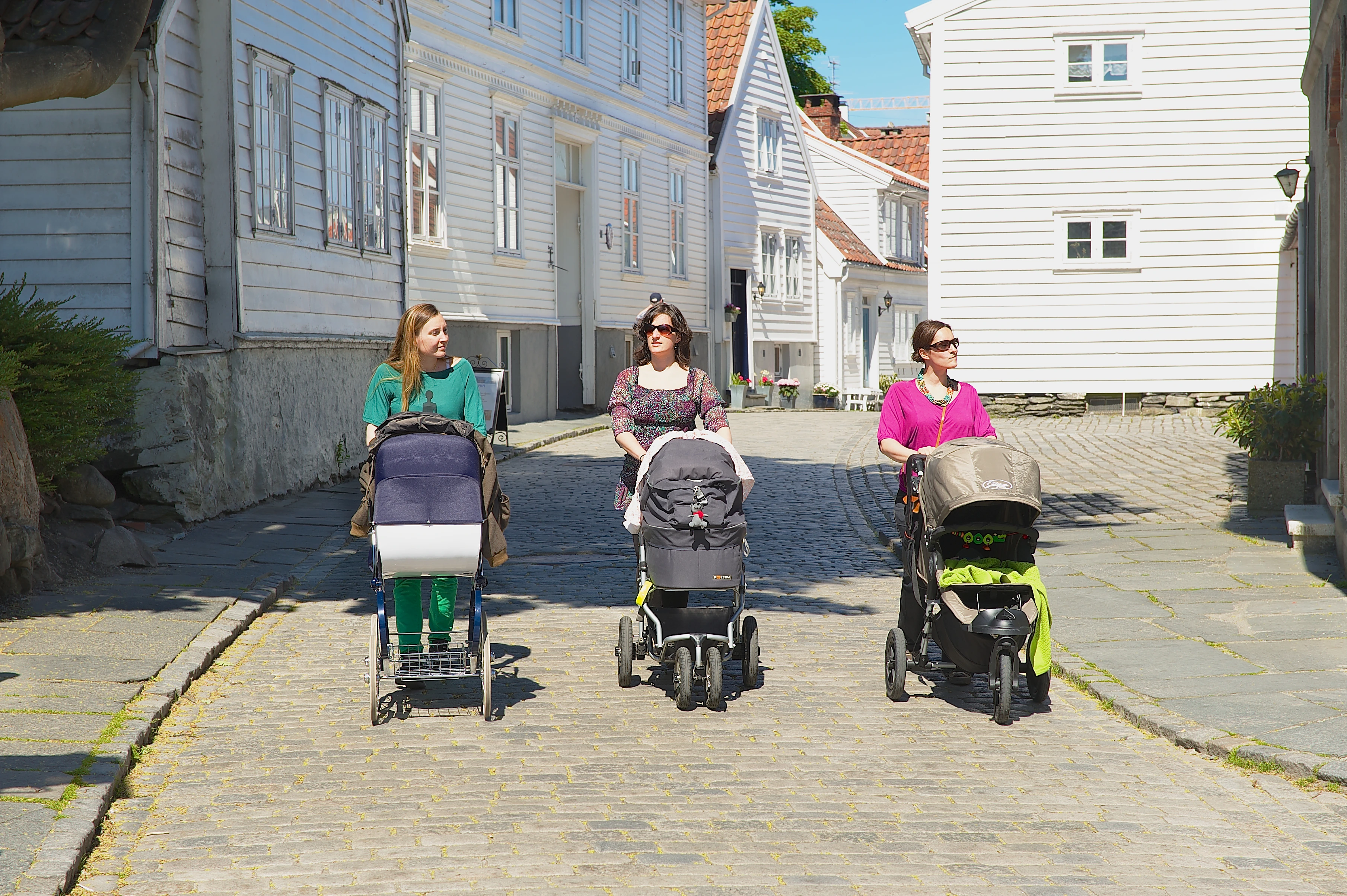
Norway is considered one of the most family-friendly countries in Europe. To support families and ensure financial security for children, the country provides various child benefits (Barnetrygd) not only to its own citizens, but also to foreign workers who live or work in Norway. Parents may be entitled to child benefits in Norway when one parent works or has worked in Norway and the other parent lives with the child in a European Economic Area (EEA) country. In such cases, families may receive full or partial payments. What child benefits are available in Norway? There are three main types of child-related benefits in Norway, depending on your family situation: Barnetrygd (child benefit) This benefit is paid for all children up to the age of 18. The current amount is 1968 NOK (around €180) per month per child. Extended Barnetrygd (for single parents) This benefit is paid to single parents raising children up to the age of 18. The payment amount is approximately 2516 NOK (around €230) per month. Kontantstøtte (cash-for-care benefit) This benefit applies to children aged 13 to 19 months who do not attend kindergarten or attend less than 32 hours per week. One of the parents must work in Norway. The maximum payment period is 7 months, and the maximum amount is 7500 NOK (around €690) per month. Good to know If you meet the requirements, it may be possible to receive two benefits at the same time. Barnetrygd and Extended Barnetrygd can usually be claimed retroactively for up to 3 previous years. Kontantstøtte can usually be claimed retroactively for up to 3 previous months. Which documents are required? To apply for child benefits in Norway, you will usually need the following documents: Copy of your employment contract and/or skattekort (tax card); Payslips from the previous period; Copy of your passport or national ID card; Copy of your child’s birth certificate; Proof of residence or family composition in an EEA country (if applicable). What happens if your work situation changes? If you stop working in Norway, you must inform NAV (the Norwegian Labour and Welfare Administration). If you no longer work in the country, you usually lose entitlement to child benefits. If payments continue after your eligibility ends, NAV may treat these amounts as an overpayment that must be repaid. If both parents live together, the benefit is usually paid to the mother. If one parent stays in Norway and the other lives with the child in an EEA country, payments are made to the parent with whom the child lives. Learn more More information about child benefits can be found here: child benefits in Norway .
Read More
If you worked in Sweden, there is a good chance that part of the income tax you paid can be refunded. Everyone who works in Sweden pays income tax, but depending on the tax system and your individual situation, an overpayment may occur. To recover it, you must submit an annual income tax return. This declaration includes your income, taxes paid and applicable allowances. The process is managed by the Swedish Tax Agency (Skatteverket). This guide is for anyone who worked in Sweden as a seasonal, temporary or full-time employee and wants to know whether they are owed money back. It covers overpaid income tax for people who worked in Sweden, not VAT or tax-free shopping refunds for tourists, which are handled separately. Below you will find how the two tax systems work, who qualifies, which deductions increase your refund, the filing deadline, the documents you need, and how to apply. If you would rather not deal with Skatteverket yourself, RT TAX can prepare and file everything for you and claim a tax refund from Sweden on your behalf, so getting your tax return from Sweden is straightforward from start to finish. Who can claim a tax return from Sweden? Almost anyone who worked in Sweden and had income tax withheld from their pay may be due a refund. This includes seasonal and temporary workers, students who took summer jobs, full-time employees, and non-residents who were taxed at the flat SINK rate. You do not need to still be in the country to file, and even a few months of work can be enough to qualify. Overpayments happen for several common reasons. You may have worked only part of the year, so tax was deducted as if you earned a full year’s salary. You may have been placed on the wrong tax treatment for your situation. Or allowances and deductions you were entitled to were never applied, because SINK is deducted as a flat rate with nothing taken into account. Each of these situations can leave money sitting with Skatteverket until you claim it back through a Swedish tax return. Tax systems in Sweden Sweden applies tax in two ways, and the system you were placed under directly affects the size of your refund. One is the standard system used for most residents, and the other is SINK, a flat tax for many non-residents. The two subsections below explain how each one works and what it means for your claim. Standard tax system Under the standard system, you are taxed progressively. In practice, this means municipal tax at an average rate of around 32%, plus an additional 20% state tax on the part of your income above a set annual threshold. In exchange, you file an income tax return, you can apply allowances and deductions, and you can claim back any tax you overpaid. This is where most refunds come from, because deductions reduce the income you are taxed on. Residents and non-residents who choose to be taxed under the Swedish Income Tax Act both fall into this system. SINK: special income tax for non-residents SINK (särskild inkomstskatt för utomlands bosatta) is a flat tax for people who live abroad and work in Sweden for less than six months. It has historically been charged at 25%, and Sweden has decided to lower it to 22.5% from 1 January 2026 and to 20% from 1 January 2027. SINK is simple, but it comes with a trade-off: no allowances or deductions apply, and no year-end tax return is normally required. Because of that, many SINK payers overpay. If you worked under SINK, it is often possible to switch to the standard system afterward, file a return and claim deductions, which can noticeably increase your refund. Tax deductions and credits you can claim Deductions are the main reason one person gets a larger Swedish refund than another. Some reliefs are applied automatically, but many have to be actively claimed on your return, and unclaimed deductions are simply lost. A few that matter most for foreign workers: The 90% rule (key for SINK payers): if at least 90% of your total annual earned income was earned in Sweden, you are entitled to the basic tax-free allowance and personal deductions, even as a non-resident. For someone who worked under SINK for under six months but earned almost all their yearly income in Sweden, switching to the standard system can unlock the full range of tax credits. Double residence (dubbel bosättning): if you kept a home in your own country while working in Sweden, you can deduct increased living costs such as accommodation and, for the first month, food and small expenses at a fixed daily amount (roughly 72 SEK per day, or the actual cost). Travel and transport: journeys to a temporary workplace, typically about one trip home per week, along with daily travel between home and work above a set threshold. Work-related expenses and dependants: other costs directly tied to your employment and reliefs linked to your family situation may also apply. The rules and exact figures change from year to year, so it is worth checking each one against your own case. RT TAX reviews which credits you qualify for and applies them for you, so nothing you are owed is left unclaimed. When do you need to submit your tax return? If you are taxed under the standard system, it is important that your tax return is submitted and approved by May. If you miss the deadline, the Skatteverket may impose a fine, usually between 1,250 and 3,750 SEK, depending on the situation. So when are Swedish tax returns due? The annual income tax return covering the previous year is normally due by early May, around 2 May, with the option to apply for an extension. Late filing is charged in steps: one late-filing fee of 1,250 SEK, a second if the return is more than three months late (2,500 SEK in total), and a third if it is five months or more late (3,750 SEK in total). The good news is that you are not limited to the current year. You can request a review and claim a refund for up to 6 years, so a return you missed a few years ago can still be filed. RT TAX tracks these deadlines and claim windows for you, so you do not accidentally lose a year. How much tax can you get back from Sweden? There is no fixed figure. The size of your tax return from Sweden depends on how much you earned, how much tax was deducted, how long you worked, which system you were taxed under and which deductions you can claim (see the deductions section above). A short stint on the standard system with several applicable deductions can produce a very different result from a full year taxed flat under SINK. The final amount is always decided by Skatteverket once your return is assessed. For a quick estimate before you file, use the Sweden tax refund calculator to get a rough idea of what you could be owed. Required documents To claim a tax refund from Sweden, you are usually asked to provide: Your Samordningsnummer or Personnummer: your Swedish identification number, needed so Skatteverket can match your record. A Samordningsnummer (coordination number) is issued to non-residents who are not registered in the Swedish population register, while a Personnummer (personal number) is held by people who are registered residents. Inkomstdeklaration 1 form (if you have received it): the pre-filled annual income tax return the Swedish Tax Agency sends out, which lists the income and tax already reported for you. Latest payslips from all employers: proof of what you earned and how much tax was withheld, used if the annual statement is missing or incomplete. Copy of your passport or national ID card: to confirm your identity. Bank account certificate (bankintyg): an official confirmation of the bank account to which your refund should be paid. For a payment, Skatteverket asks for a certificate signed by a bank employee and issued within the past six months. If some of these are missing, it is rarely a dead end. RT TAX can help you retrieve documents you no longer have, such as payslips or an annual statement, so a lost form does not stop your claim. How long does the process take? The tax refund process usually takes between 3 and 12 months. The duration depends on the tax system applied, the tax year, and the processing time of Skatteverket. What speeds it up or slows it down comes down to a few things: how complete and accurate your documents are, which tax year you are claiming for, and how busy Skatteverket is when your return is processed. A claim with full paperwork and no follow-up questions clears far faster than one that has to go back and forth. Once your return is assessed and approved, the refund is paid out to the bank account you registered. If you gave a foreign account, you will need to supply your IBAN and BIC/SWIFT details for the payment to go through. Common mistakes to avoid A few avoidable errors are what most often cost people their refund: Missing the claim window. You have a limited number of years to file. Leave it too long and the year is lost for good, so claim within the allowed period. Missing documents. If your annual statement is unavailable, use your payslips rather than giving up. Incomplete paperwork is the most common cause of delays. Incorrect personal or income details. A wrong identification number or income figure sends the return back for correction and adds months to the process. Leaving deductions unclaimed. Allowances and credits you were entitled to, especially under the 90% rule, are not applied automatically for SINK payers. Unclaimed, they simply reduce your refund. How to start the process The first step is online registration. Complete the short registration form, select Sweden as the country from which you want to claim a tax refund, and submit your application. Our team will take care of everything else, from preparing your tax return to submitting it to the Swedish tax authorities. Getting your tax return from Sweden is a short, guided process: Register online to claim a tax refund from Sweden. Select Sweden as the country you are claiming from. Upload your documents (or let us help you recover any missing ones). RT TAX prepares and files your return with Skatteverket. You receive your refund once the claim is assessed and approved. Professional help makes the most sense when your case is not straightforward: documents are missing, you had several employers, or you want to switch from SINK to the standard system to claim deductions. There is no upfront fee, so it costs you nothing to start. Register today and let RT TAX check what you are owed and handle the paperwork from beginning to end. Tax Return from Sweden: FAQ Can I claim a tax refund if I have already left Sweden? Yes. You can still claim after leaving Sweden. You file for the years you worked there, and RT TAX can manage the whole claim remotely, so there is no need to travel back. How many years back can I claim a Swedish tax refund? You can request a review and file a tax return from Sweden for up to six years after the end of the income year. In practice, in 2026 that reaches back to the 2020 income year. Older years that were never filed are lost, so it pays to claim in time. What is the average tax return from Sweden? There is no fixed or average figure. The amount depends on your income, the tax you paid, how long you worked and the deductions you can claim. For a quick estimate, use the Sweden tax refund calculator. Do I need a Swedish bank account to receive my refund? No. Your refund can be paid to a foreign bank account. For a Swedish account, you provide the account and clearing number; for a foreign account, you provide your IBAN and BIC/SWIFT. Skatteverket usually requests a bank account certificate (bankintyg) to verify the account. Can I get a refund if I worked in Sweden for only a few months? Yes. Short-term and seasonal work can still qualify. If you earned at least 90% of your annual income in Sweden, the 90% rule can unlock the full tax credits, which is especially valuable for people who were taxed under SINK. Do I have to pay anything upfront? No. There is no upfront fee. The service fee is billed by invoice only once your refund process is complete.
Read More
The tax system in the Netherlands is considered one of the more complex in Europe, which is why everyone who worked there should understand the basic principles and deadlines. As a new tax year approaches, it is worth preparing in advance and checking whether you are entitled to a tax refund. This guide is for anyone who worked and paid income tax in the Netherlands, including people who have already left the country. It explains how to reclaim overpaid Dutch income tax, so you can see whether money is owed to you and how to get it. Below we cover who can claim, how the Dutch tax system works, the documents you need, the deductions and benefits that raise a refund, the deadlines, timing and how to start. If you would rather not deal with the Belastingdienst yourself, RT TAX can manage the whole process and claim a tax refund from the Netherlands on your behalf. 1. Who can claim a tax refund from the Netherlands? Almost anyone who worked and paid income tax in the Netherlands may be due a refund. The people who most often qualify are those who worked only part of the year, students, seasonal workers, skilled migrants on the 30% ruling, qualifying non-residents, and anyone who left the Netherlands before the year ended. Overpayments happen for a few common reasons. Your full tax credits may not have been applied across a short work period, so tax was withheld as if you would earn a full year’s salary. Your provisional tax may have been set too high for your actual situation. Or deductions and allowances you were entitled to were simply never claimed. Each of these leaves money with the tax office until you claim it back. If any of this fits your situation, you can claim a tax refund from the Netherlands once your year is reviewed. 2. When and which documents should you collect? At the beginning of each year (usually in February), employers in the Netherlands issue Jaaropgave forms. These documents contain information about your income and the taxes you paid. You should keep copies of these forms, as they are essential for claiming a tax refund. The Jaaropgaaf is your annual income statement from your employer, and it is the foundation of any Netherlands tax refund claim. If you do not have your Jaaropgave, it is still possible to submit a claim using your BSN number. Your BSN (burgerservicenummer) is your Dutch citizen service number, which identifies you to the Belastingdienst. RTTAX specialists can contact your employer or the Belastingdienst to help obtain missing information. A few other documents help support your claim: a copy of your passport or ID card, proof of address, and, where relevant, a non-resident income certificate from your home country’s tax authority. 3. The Dutch tax system and tax rates Understanding how Dutch income tax is built up makes it clear where overpayments come from. Income is split into three “boxes”: Box 1: income from work and home ownership. This is what matters for most workers. It is taxed at progressive rates, with national insurance contributions built into the lower brackets. Box 2: income from a substantial interest (a shareholding of 5% or more in a company). Box 3: income from savings and investments. On top of the brackets, most workers receive two tax credits that reduce the bill: the general tax credit (algemene heffingskorting) and the labour credit (arbeidskorting). If these were not fully applied because you worked only part of the year, a refund often results. One important point clears up a common misunderstanding. Dutch income tax is national, so there is no separate city or municipal income tax and no special Amsterdam tax refund rate. Whether you worked in Amsterdam, Rotterdam or a small town, your refund depends on your income, your tax bracket and your deductions, not on the city. Rates, brackets and credits are adjusted every year, so the exact figures depend on the tax year in question. 4. What should you do if you receive a letter from the tax office? If you receive a letter from the Belastingdienst asking you to file a tax return, it is important to do so by the deadline stated in the letter. If you fail to submit your tax return on time, you may receive a fine (verzuimboete) and the tax office may raise an estimated assessment of what it thinks you owe. The letter is often an invitation to file (aangiftebrief) or a provisional assessment. For a normal year, the standard filing deadline is 1 May. If you arrived in or left the Netherlands part-way through the year, you file a special migration-year return known as the M-form, which covers the split between resident and non-resident periods. You do not have to handle any of this alone: RT TAX can respond to the Belastingdienst on your behalf and file the correct form for your situation. 5. Tax status for people living outside the Netherlands People whose official place of residence is registered in another EU country are treated as non-residents. If more than 90% of your annual income was earned in the Netherlands, you may still be entitled to local tax allowances. To benefit from these allowances, you must usually provide a certificate of income from your country of residence, confirmed by the local tax authority. This is where the qualifying non-resident taxpayer status (kwalificerende buitenlandse belastingplichtige) matters. If you live in the EU, the EEA, Switzerland or one of the Caribbean territories and at least 90% of your income is taxed in the Netherlands, you are entitled to the same deductions, tax credits and tax-free allowance as a Dutch resident. This is one of the biggest reasons non-residents receive money back, because those resident-level deductions are often what turns a break-even year into a refund. The income certificate from your home tax authority is what unlocks this status. 6. Tax deductions you can claim Deductions and credits are the main lever on the size of a Dutch refund. Some are applied automatically, but many have to be actively claimed, and unclaimed items from earlier years can still be recovered within the 5-year window. The ones worth checking: The 30% ruling: a relief for eligible skilled migrants that lets part of your salary be paid tax-free. It is worth confirming whether you qualified and whether it was applied correctly (note the maximum reduces from 30% to 27% from 2027). Commuting and travel allowance: relief for the cost of travelling between home and work, including public transport. Mortgage interest relief (eigenwoning): if you owned and lived in a home in the Netherlands, the mortgage interest may be deductible in Box 1. Specific healthcare and, in some cases, study costs: certain unavoidable medical expenses and qualifying costs may still be deductible depending on the year and your circumstances. General and labour tax credits: the algemene heffingskorting and arbeidskorting, which reduce the tax due directly. Because the rules are detailed and change year to year, it is easy to leave money unclaimed. If you have already filed and are wondering who can check my Dutch tax return to make sure I claimed all deductions and did not miss any benefits, a tax specialist can review your filing, spot anything that was missed and amend it within the claim window. 7. Additional benefits and compensation If you had Dutch health insurance (Zorgverzekering), you may be entitled to compensation for part of the insurance costs, called Zorgtoeslag. This application can often be submitted together with your tax return. There are other allowances (toeslagen) worth checking too. The healthcare allowance (zorgtoeslag) is subject to income limits, so it is available if your income was below the yearly threshold. Depending on your situation there may also be a rent allowance (huurtoeslag) for lower-income renters and child-related allowances. These toeslagen are separate from your income tax refund, but they can often be claimed alongside it. If you are not sure who can check my Dutch tax return to make sure I claimed all deductions and did not miss any benefits, a specialist can review both your tax return and your allowance entitlements so nothing is left behind, which adds to your overall Netherlands tax refund. 8. How much can you get back from the Netherlands? There is no fixed refund figure and no single average. The size of your tax refund from the Netherlands depends on how much you earned, how long you worked, how much tax you paid, the deductions and credits you can claim, and your residency status. As explained above, there is also no city-specific rate, so despite what the phrase suggests there is no separate Amsterdam tax refund rate: the outcome is driven by your income and bracket, not your city. The final amount is always decided by the Belastingdienst once your return is assessed, but a quick online estimate helps set expectations. You can estimate your Netherlands tax refund on our Netherlands page to get a rough idea of what you could be owed. 9. How long does the process take? You can usually claim a tax refund from the Netherlands for the last 5 years. From the submission of your documents to receiving the payment, it usually takes 3-6 months. In some cases, the process may take longer if additional information is required from the authorities. What speeds it up or slows it down comes down to how complete your documents are, whether a migration-year M-form is involved, and how busy the Belastingdienst is at the time. Once your return is assessed, the refund is paid by bank transfer to the account you provided, which works whether or not you still live in the Netherlands. Because the claim window is 5 years, a year you never filed can still be recovered, so it is worth checking older years before they fall out of range. 10. How to start your tax refund? The fastest way to start is to fill in the registration form and upload the documents you have. Once received, RTTAX specialists will review your situation and help submit all the necessary applications to the Belastingdienst. In practice it is a short, guided process: Register online and register for a tax refund from the Netherlands, selecting the Netherlands as the country you are claiming from. Upload your documents (Jaaropgaaf, ID and anything else you have). RT TAX reviews your eligibility and claims every deduction and credit you qualify for. RT TAX files the return with the Belastingdienst on your behalf. You receive the refund into your bank account once it is assessed and approved. The assessment is free and there is no upfront fee, as our service fee is simply taken from your refund once the process is complete, so it costs you nothing to find out what you could be owed. Tax Refund from the Netherlands: FAQ Can I claim a tax refund if I have already left the Netherlands? Yes. You can still claim after leaving the Netherlands, for the years you worked there. RT TAX manages the whole claim remotely and the refund is paid to your bank account, so you do not need to return. You can start online and claim a tax refund from the Netherlands from wherever you are now. How many years back can I claim a Netherlands tax refund? Usually the previous 5 years. You can file or correct returns up to five years back with the Belastingdienst. Older years are lost if they are not claimed in time, so it pays to act while the window is open. Who can check my Dutch tax return to make sure I claimed all deductions and did not miss any benefits? A tax specialist can. They review your Dutch filing to confirm you claimed every deduction and benefit you were entitled to, from the 30% ruling to allowances and non-resident credits, and amend the return if something was missed. Is there a special Amsterdam tax refund rate? No. Dutch income tax is national, so there is no separate Amsterdam rate. Your refund depends on your income, your tax bracket and your deductions, not on the city you worked in. Can I get a refund if I only worked in the Netherlands for a few months? Yes. Part-year and seasonal work often results in a refund, because your annual tax credits were spread across a short period of income. Short-term workers are among the most common refund cases. Do I have to pay anything upfront? No. There is no upfront fee. The service fee is taken from your refund once the process is complete, so you only pay when you get paid.
Read MoreSubscribe to receive key reminders and updates on tax refunds


 info@rttax.com
  +370-37-755211
  en
en
 lt
lt  ru
ru  bg
bg  lv
lv  ro
ro  ua
ua  pl
pl  de
de  tr
tr  md
md  es
es  zh
zh  hu
hu  th
th 