
When working in Ireland, income tax and other mandatory deductions are taken from your salary. In some cases, more tax is paid than required based on your income and available tax credits. In such situations, an overpayment may arise, which can be reclaimed by submitting a tax return to the Irish Revenue. This guide is for anyone who worked and paid PAYE income tax or USC in Ireland, including people who have already left the country. It explains how to reclaim overpaid PAYE income tax and Universal Social Charge, so you can see whether money is owed to you and how to get it. Below we cover who is eligible, how much you might get back, the credits and reliefs that lead to a refund, the documents you need, USC and emergency tax, timing, and how to claim. If you would rather not deal with Revenue yourself, RT TAX can manage the whole process and claim a tax refund from Ireland on your behalf. Who Can Claim a Tax Refund? You may be entitled to a refund if: You did not work for the full calendar year: your annual tax credits were set against only part of a year’s income, so too much tax was taken; You changed employers: credits and cut-off points are not always carried over correctly between jobs, which can lead to an overpayment; Your income was variable (for example, seasonal work): uneven earnings often mean tax was deducted at too high a rate in busy periods; You left Ireland before the end of the tax year: a full year of credits was applied to a partial year of income; Tax credits were not fully applied: reliefs you were entitled to were never claimed. It is important to know that you can usually claim tax refunds from Ireland for the previous 4 years. The people who most often qualify are PAYE employees who were put on emergency tax, students who worked part of the year, seasonal or temporary workers, and anyone who left Ireland mid-year. In each case, the reason is the same: tax was deducted as if you would earn a full year’s salary, when in fact you did not, so an Ireland tax refund is due once the year is reviewed. How much can you get back from Ireland? There is no fixed refund figure and no single average. The amount of your tax refund in Ireland depends on how much you earned, how long you worked, any emergency tax you paid, the USC deducted, and the tax credits and reliefs you can claim. Two people who earned the same amount can receive very different refunds depending on which credits apply to them. The final figure is always calculated by Revenue when it issues your Statement of Liability, but a quick online estimate helps set expectations before you file. You can estimate your Ireland tax refund on our Ireland page to get a rough idea of what you could be owed. Tax credits and reliefs you can claim Credits and reliefs are the main lever on the size of an Irish tax refund. Some are applied automatically, but many have to be actively claimed, and unclaimed reliefs simply reduce what you get back. The ones worth checking: Personal Tax Credit and Employee (PAYE) Tax Credit: the two standard credits most PAYE workers receive automatically. If they were not fully applied, for example because you were on emergency tax, reviewing the year corrects it. Flat-rate employment expenses: fixed deductions for certain occupations (such as nurses, tradespeople and shop workers) that many people never claim. Rent Tax Credit: worth up to €1,000 per year for a single renter (€2,000 for a jointly assessed couple) for private rented accommodation. Health and medical expense relief: 20% back on qualifying out-of-pocket medical costs, such as doctor visits and prescriptions not covered elsewhere. Tuition fee relief: relief at 20% on qualifying third-level tuition fees. Remote-working relief: if you worked from home, you can claim a portion (30%) of electricity, heating and broadband costs for the days you worked remotely. Unclaimed credits from earlier years are not lost automatically. As long as you are inside the 4-year window, they can still be backdated and added to your claim. RT TAX reviews which credits and reliefs apply to you and includes them, so nothing you are owed is left behind. What Documents Are Required? To submit a tax return, you normally need: PPS number: your Personal Public Service number, which identifies you to Revenue and links to your tax record. Employment Detail Summary or final payslips from all employers: the Employment Detail Summary replaced the old P60 and is downloaded from Revenue myAccount. It shows your pay and the income tax, PRSI and USC deducted. If you cannot access it, your final payslips serve the same purpose. Copy of your passport or ID card: to confirm your identity. These documents confirm your income and taxes paid. If some are missing, it is rarely a dead end: RT TAX can help you retrieve documents you no longer have so a lost form does not stop your claim. What Is a Tax Return Amendment? If a tax return has already been submitted in Ireland but later found to be incomplete or missing allowances, it can be amended. This may be necessary when: new payslips or documents become available; your living or working situation changes; previously submitted data turns out to be inaccurate. This ensures that your refund amount is accurate and complete. In practice, an amendment is how you recover credits or reliefs that were missed on the original return, which can increase the refund you already received. Like a first claim, an amendment can be made within the same 4-year window. USC Tax Refund Ireland applies the Universal Social Charge (USC), which funds health and social services. USC overpayments may occur if: your income was below the applicable thresholds; you worked only part of the year; your employment or income sources changed. USC overpayments are typically refunded together with income tax. There is an annual exemption threshold (income of €13,000 or less in a year means no USC is due), so if your total earnings fell below it, any USC deducted from your pay is refundable. Part-year workers are the most common USC refund case, because their monthly pay looked high enough to charge USC even though their yearly total came in under the limit. This makes an Ireland tax refund on USC very common for seasonal and short-term staff. Emergency tax and how to get it back Emergency tax is a higher, temporary rate that Revenue applies when your employer does not yet have your correct tax details, usually at the start of a new job or before your PPS number is registered against that employment. It means more tax and USC are taken than you actually owe. The fix for the current year is straightforward: once your details are registered with Revenue and your employer receives an up-to-date Revenue Payroll Notification, the emergency tax stops and any overpayment is normally repaid through your wages. For a previous year, you claim it back by submitting an income tax return for that year through myAccount, after which Revenue reviews the year and issues any refund due. Emergency tax is fully refundable, so none of it is money you lose. Claiming a tax refund after leaving Ireland People who left Ireland part-way through the year are very often due a refund. The reason is simple: your full annual tax credits were spread across only a few months of income, so you were taxed as though you would keep earning for the rest of the year when you did not. That gap usually comes back to you as a refund. Two things help here. The first is split-year treatment: if you left Ireland intending to be non-resident the following year, income you earn abroad after your date of departure is generally not taxable in Ireland, while you still receive a full year of credits. The second is the unemployment repayment claim (historically made on a form called a P50), used to reclaim tax when you stop working before the year ends. You do not need to be in the country to do any of this. You can still claim from abroad within the 4-year limit, and RT TAX manages the whole Irish tax refund remotely, so distance is not a barrier. How Long Does the Process Take? The processing time depends on the workload of the Irish Revenue. In most cases, the process takes from a few weeks to several months. So how long does it take to get a tax refund? For a straightforward PAYE claim, Revenue usually processes it within a few weeks once your documents are in and it issues your Statement of Liability, though more complex cases can take longer. What speeds it up or slows it down comes down to how complete your documents are, which tax year you are claiming for, and how busy Revenue is at the time. As for how long to receive a tax refund from Ireland once it is approved, the money is paid by bank transfer to the account you registered soon after the Statement of Liability is issued. How to Check if You Are Eligible If you have the required documents, the potential refund can be checked based on Revenue records. If your situation is more complex or documents are missing, professional assistance is recommended. As a quick self-check, a refund is likely if any of these apply to you: you worked only part of a tax year; you were put on emergency tax at any point; you changed jobs during the year; you left Ireland before the year ended; you have credits or reliefs (rent, medical, remote working, flat-rate expenses) you never claimed. How to claim your tax refund from Ireland Claiming is a short, guided process: Register online and select Ireland as the country you are claiming from, then register for a tax refund from Ireland. Upload your documents (Employment Detail Summary, payslips, PPS number and ID). RT TAX reviews your eligibility and claims all the credits and reliefs you qualify for. RT TAX files the return with Revenue on your behalf. You receive the refund into your bank account once it is assessed and approved. Professional help makes the most sense when your case is not simple: documents are missing, you had several employers, you were on emergency tax, or you have already left Ireland. Need Help Assessing Your Situation? We can provide a quick assessment of your situation and advise whether a tax refund is possible and which documents may be required. The assessment is free and carries no obligation, and there is no upfront fee to get started, so it costs you nothing to find out what your Ireland tax refund could be worth. Get Help with Your Ireland Tax Refund. Tax Refund from Ireland: FAQ Can I claim a tax refund if I have already left Ireland? Yes. You can still claim for the years you worked there after leaving Ireland. You do not need to return; RT TAX can manage the entire claim remotely. If you prefer, you can start online and claim a tax refund from Ireland from wherever you are now. How many years back can I claim an Irish tax refund? You can claim for the previous 4 years. In 2026, that covers the 2022, 2023, 2024 and 2025 tax years. Older years are lost if they are not claimed within the 4-year window, so it pays to act in time. How long does it take to get a tax refund from Ireland? Usually a few weeks to a few months. The refund is issued once your documents are in and Revenue produces your Statement of Liability. Complete paperwork and a simple case make it faster. What is emergency tax and can I get it back? Emergency tax is a higher temporary rate applied before your job is properly registered with Revenue. It is fully refundable: once your details are on file, the overpaid tax and USC come back to you, either through your wages or via a review of the year. Can I get a refund if I only worked in Ireland for a few months? Yes. Part-year and seasonal work very often results in a refund, because your full annual tax credits were spread across a short period of income. Short-term workers are among the most common refund cases. Do I have to pay anything upfront? No. There is no upfront fee. The service fee is taken from your refund once the process is complete, so you only pay when you get paid.
Read More
Every euro matters, and if you worked abroad, it is important to know that income tax overpayments are very common and can be refunded. However, many people still do not declare their income abroad and lose the money that legally belongs to them. This guide provides clear answers to the most common questions, based on more than 20 years of experience. What is a tax refund? When working abroad, income tax is calculated and deducted from your salary. After the end of the tax year (for example, in the UK – from April 6 to April 5, in most other countries – from January 1 to December 31) or after finishing work and leaving the country, a tax return is submitted. The tax authority reviews the information and, if an overpayment is found, the money is refunded. How long does the tax refund process take? Usually, the process takes from a few weeks to several months depending on the country, the workload of the tax authorities, and the completeness and accuracy of the submitted documents. Well-prepared applications are processed faster. What documents are usually required? Copy of an identity document (passport or ID card); Proof of income and paid taxes from each employer: UK / Ireland – P45/P60 (or payslips); Netherlands – Jaaropgave (or payslips); Norway – Årsoppgave (or payslips); Germany – Lohnsteuerbescheinigung (or payslips); Denmark – Årsopgørelse / Oplysningsseddel (or payslips). Social security / tax number (e.g., NI in the UK, BSN in the Netherlands, D-number in Norway). If you do not have some forms, payslips can usually be used, or you can request copies from your employer. Is tax refund legal? Yes. It is a legally regulated part of the tax declaration process in every country. Is the full amount of paid tax always refunded? Not always. The refund amount depends on the country’s rules, your income, applied tax credits, employment period, and the amount of tax paid. In some cases, when annual income does not exceed the tax-free threshold or tax credits apply, a large part of the tax may be refunded, but each case is assessed individually. Can I work abroad again after receiving a tax refund? Yes. Tax refunds do not affect your future employment opportunities. Does it affect my pension and social benefits? No. Only overpaid income tax is refunded. Social insurance contributions remain untouched and your pension rights or social guarantees are not affected. Will I have to pay tax in my home country after getting a refund? Most countries have double taxation agreements. If taxes were paid correctly abroad, usually no additional tax obligations arise in your home country. In specific cases, it is recommended to check with your local tax authority. Is tax refund the same as tax evasion? No. Only the overpaid part of income tax is refunded. This is a standard and legal tax practice. Do I need to work for several years to get a refund? No. Even short-term or seasonal work can result in an overpayment if income tax was deducted. I don’t have all documents – can I still apply? Yes. Missing documents can often be recovered by contacting your employer, tax authorities, or using payslips and other proof of income. Is it necessary to use specialists? You can declare taxes on your own, but mistakes (incorrect data, missed deadlines, unclaimed allowances) often delay or reduce refunds. Specialists help prepare documents, submit declarations, and communicate with authorities. Where should I start? The next step is to fill out the registration form: Start your tax refund process. If you want to estimate your potential refund, use the tax refund calculator. Note: This information is for general guidance only. Rules and deadlines differ by country. Always check the latest requirements with the relevant tax authority or consult specialists.
Read More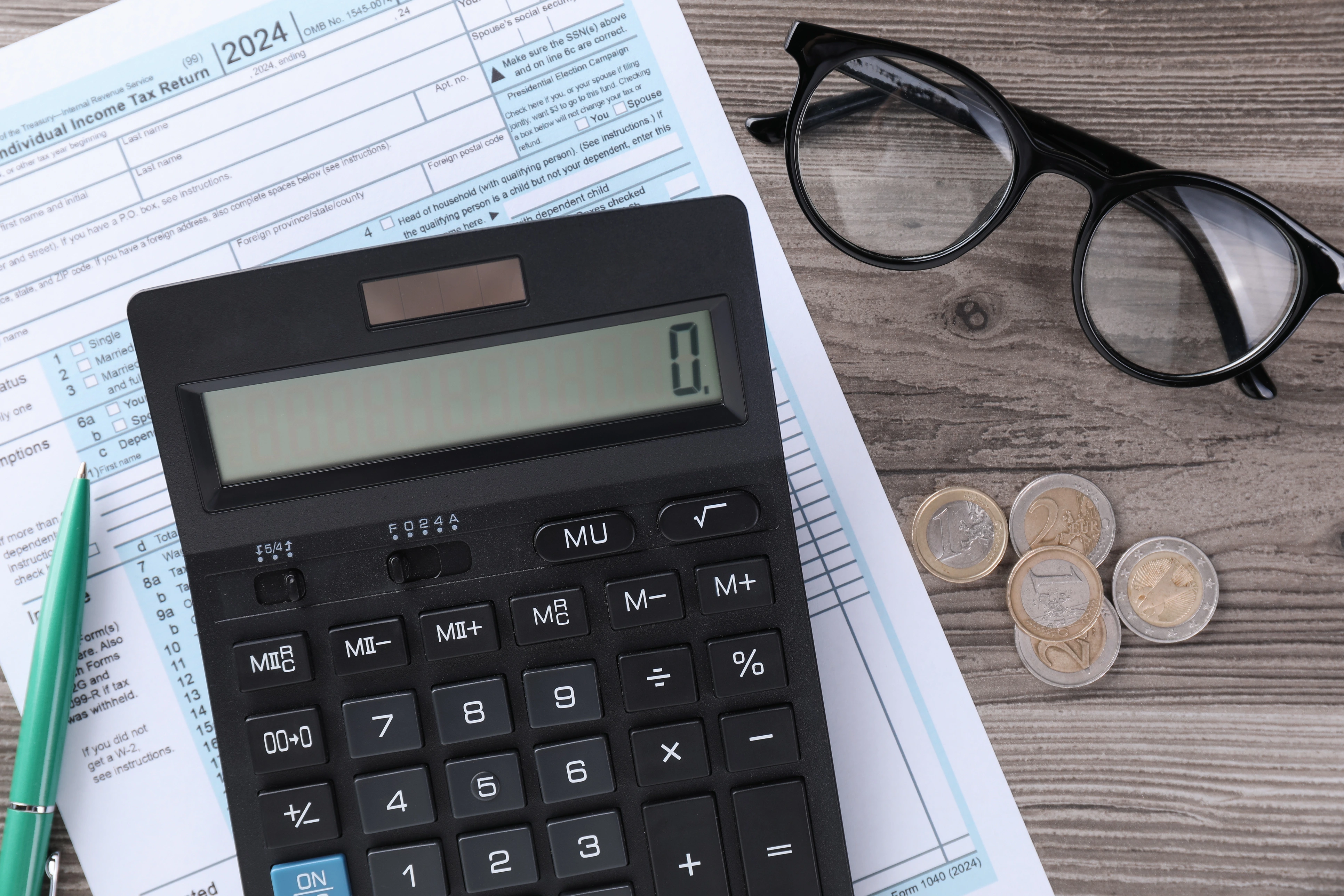
When working abroad, many people do not even realise that during the year they have paid more income tax than was actually necessary. This difference is an overpayment that can be legally recovered. To quickly check whether you are entitled to a refund and how much it may be, it is worth using the tax refund calculator. This simple and free tool allows you to receive a preliminary calculation of the possible refund amount in just a few minutes. It is the first step to checking your situation before submitting documents to specialists. How does the tax refund calculator work? The calculator analyses the data you provide and performs preliminary calculations, taking into account your income, taxes paid and possible allowances. The process looks like this: you enter your work and income details, the calculator calculates the taxable income, it takes into account the amounts of tax already paid, it analyses the allowances and deductions you provide, it displays the estimated amount of possible tax refund. The result is for information purposes only – the final amount may differ after official verification of the data and processing of the tax return, but the calculator gives a reliable overview of your situation. Why is it worth using the calculator? the tool is completely free, you receive the result immediately, you do not need to know tax regulations – everything is calculated automatically, it makes it easier to decide whether it is worth starting the refund process. Check your overpayment now The fastest way to find out whether you are entitled to a tax refund is to use our free calculator. Just enter basic details to see the estimated amount of possible overpayment in just a few moments. Use the tax refund calculator If, after calculating the result, you want to start the full process of recovering your money, you can register online immediately, and our specialists will take care of the remaining formalities. Go to the registration form The presented results are indicative only. The final refund amount depends on the regulations of the given country and your individual tax situation.
Read MoreSubscribe to receive key reminders and updates on tax refunds


 info@rttax.com
  +370-37-755211
  en
en
 lt
lt  ru
ru  bg
bg  lv
lv  ro
ro  ua
ua  pl
pl  de
de  tr
tr  md
md  es
es  zh
zh  hu
hu  th
th 